Colonial Origins
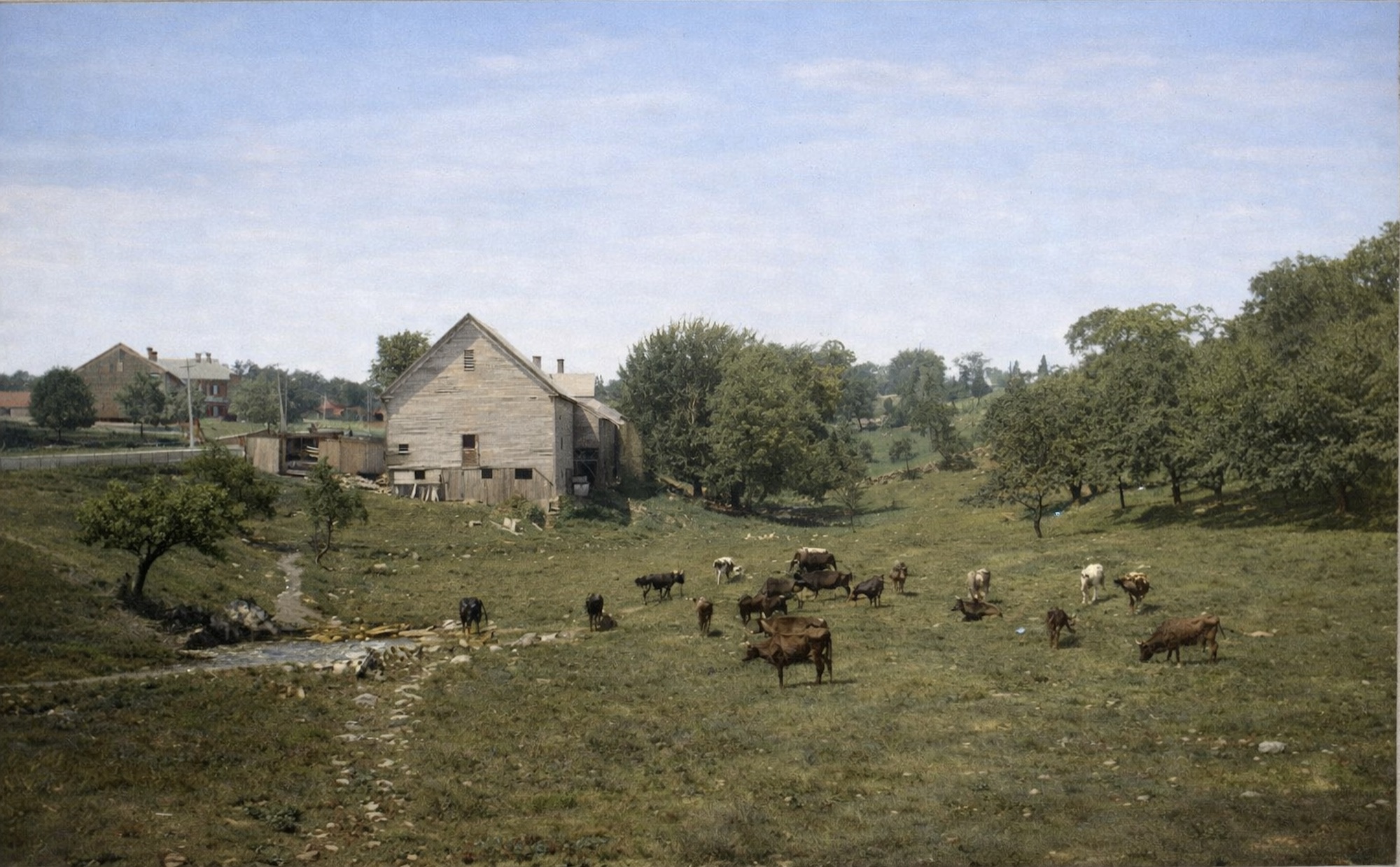
The land now occupied by Brighton was first assigned to Watertown in 1630, among the earliest grants made by the Massachusetts Bay Colony. By 1634, ownership of the south bank of the Charles River — including present-day Brighton and Newton — had been transferred to Newtowne, which would soon be renamed Cambridge. For the next century and a half, the area was known informally as Little Cambridge, a modest agricultural outpost defined by rocky terrain, grazing cattle, and the rhythms of farm life.
The Revolutionary War gave the neighborhood its first moment on the larger stage. In 1775, Jonathan Winship I and Jonathan Winship II established a cattle market at Brighton to supply the Continental Army quartered in Cambridge, launching what would become one of the most significant meatpacking operations in New England. After the war, Brighton’s stockyards became a fixture of the regional economy for generations.
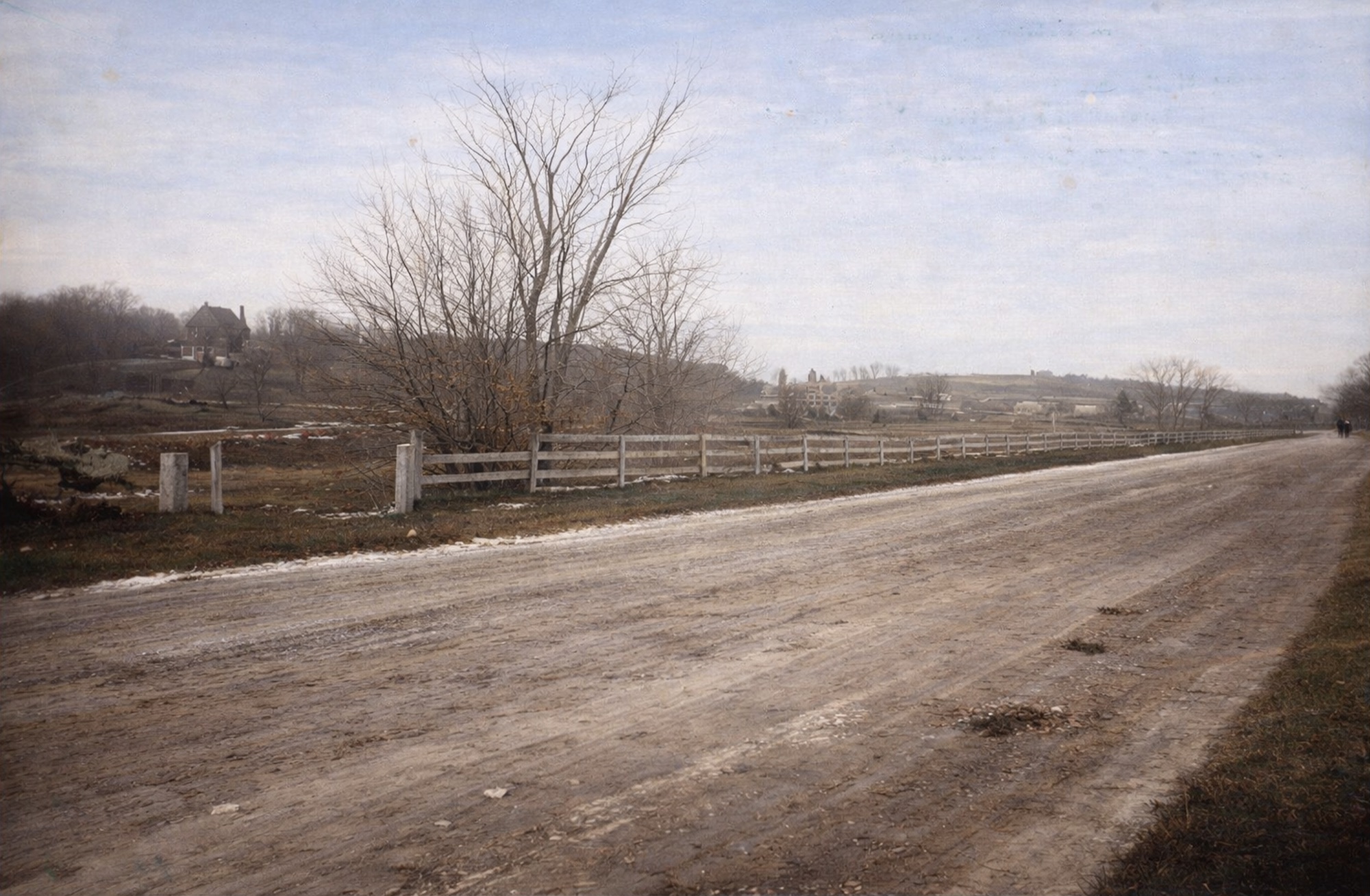
In 1807, after Cambridge’s government neglected to repair the Great Bridge connecting Little Cambridge to Harvard Square, residents voted to secede. The newly independent town renamed itself Brighton — after Brighton, England — and began a slow transformation from an industrial outpost into something more genteel. By 1874, the town was annexed into the City of Boston.
Aberdeen: The Streetcar Suburb
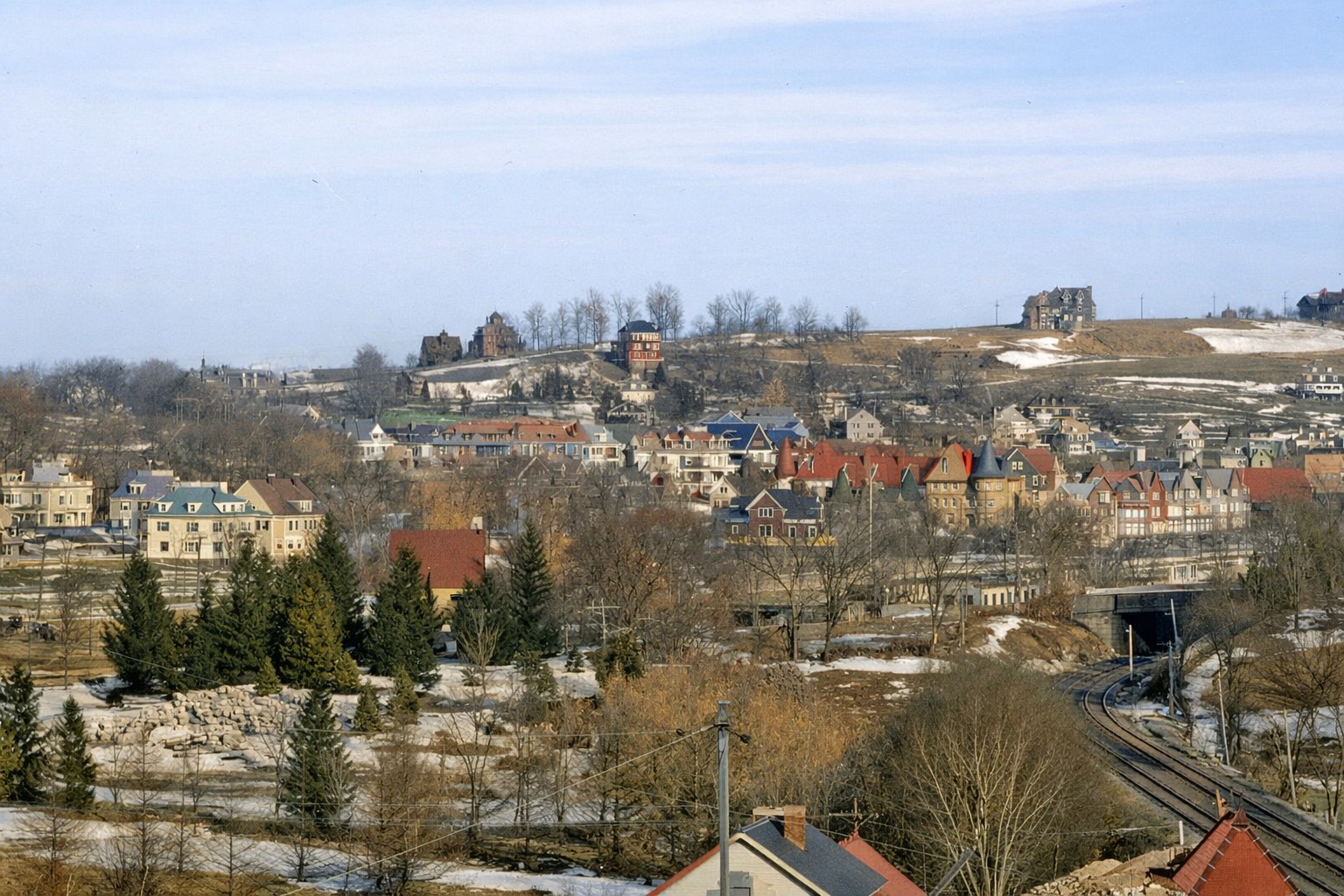
The Aberdeen section of Brighton emerged in the mid-1880s as a deliberate departure from the utilitarian neighborhoods to the east. The Aberdeen Land Company platted a system of gently winding streets that echoed the Romantic Suburb ideals then championed by landscape designers of the Hudson River Valley school. The electrification of Henry Whitney’s West End Street Railway along Beacon Street made the neighborhood suddenly accessible to Boston’s professional class, and the development that followed was swift and architecturally ambitious.
Aberdeen: The Streetcar Suburb, part II
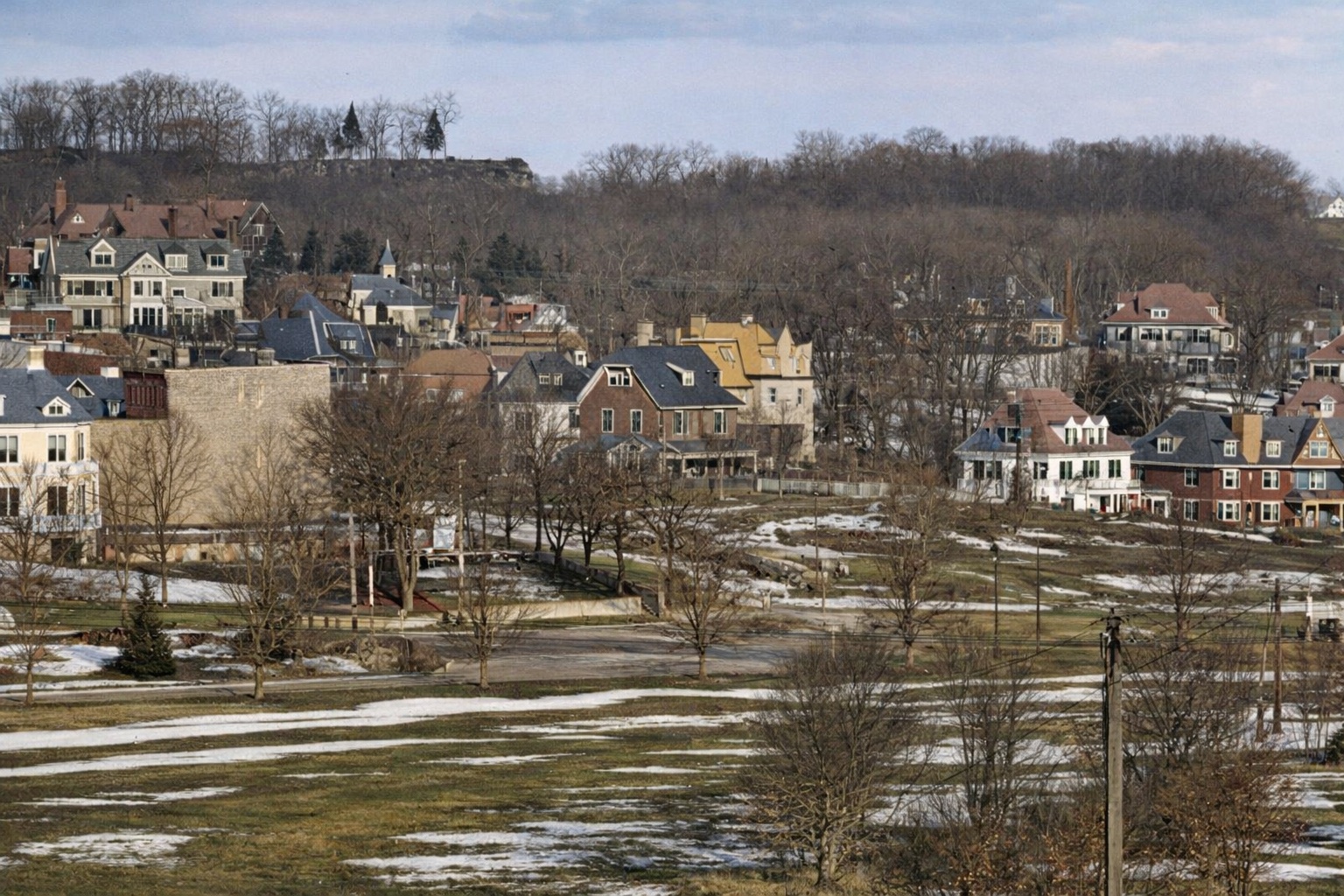
The houses built along Strathmore, Lanark, and neighboring roads between roughly 1890 and 1915 were conceived for bankers, commodity dealers, and businessmen who wanted distance from the city without sacrificing connection to it. By 1920, the Aberdeen area was almost entirely built out, its rugged landscape of rock outcroppings and mature trees having been tamed into a coherent architectural ensemble of unusual quality.
That coherence has been preserved through formal designation: in 2002, the Boston Landmarks Commission designated Aberdeen an Architectural Conservation District, making it one of a handful of neighborhoods in the city with protected status for exterior alterations.